The odd one
The Odd One
The Odd One was born in the years just after the great machines carried people to the moon. The same age that taught brass and fire to leave the ground. Now the age sends starships into the dark, and it builds old wonders again, as if the past had been waiting to be switched back on.
No long goodbye
His father was Fred, the giver of his making, along with his mother. Fred had work that took him out on the road. He died while he was traveling for that work. A car crash. The Odd One was a very young man. There was no long goodbye. He did not have time to hand the whole craft down.
What the Odd One remembers of him is good. The meetings were always positive. Fred showed him technology. He showed him things that could become, and things that could do. He was the supporter of the family. He made a household in the mountains, and he made it fun. Aunts and uncles came. His sister came. Aunt Janet came. There was always something interesting to talk about.
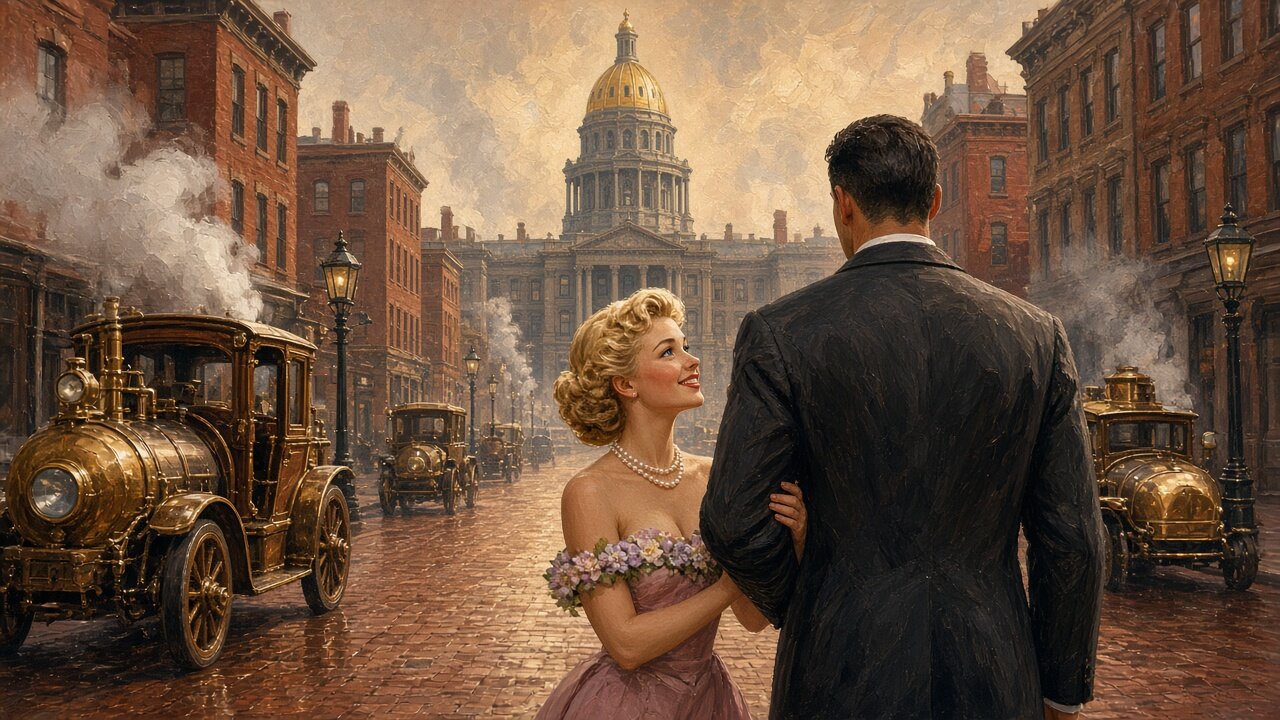
He was a towering man, six feet and eight inches, in a time when few people stood that tall. He married the beautiful woman who became the Odd One's mother. She had blonde hair. They came to Denver, and the Odd One was born soon after. The golden dome was already there. The towers were not.
Janet still tells the athletics, and the colleges that sent for him. The Odd One never grew to understand that part. Fred left too soon. What he left was the pull. A curiosity about how a thing works, and the nerve to follow it. The struggle of not being shown the rest is what made the Odd One.
What Janet remembers
Aunt Janet is the keeper of what the family would otherwise forget. She remembers her brother Fred the way a garden remembers rain. The stories come out flowering. He was a great athlete. Colleges sent for him the way towns send for a champion. There were bright, wild family adventures, and a young lad in the middle of them, and Janet still has the color of those days. The Odd One values those stories more than he can measure. They are most of what he has of a father who left too soon. They enrich him. He asks for them, and he keeps them.
Not the hardest glue
Before the wife who bound the family, there was another bond, and that bond is why he left the mountains where his mother lived and where his sister still lives. He went to the great white north, then south to the country of fog, where he lives now, because that is where his daughter was. He traveled by airship for short visits. Eleven months together. She came from Tver, in the country that had been the Soviet Union and was already something else. The bond was not the hardest glue. There is no anger and no hate. She is the mother of his daughter, and that is where their story ends.
The daughter is his pride. His own making went into her life. Crazy magic. He calls many people family. This is different.
The high country
Fred was the pioneer who set the family down in the great mountains. The Odd One's sister still lives in that country. When the Odd One and his wife lived in the great north, they explored it on a two-wheeled contraption. Brass, leather, and a little steam, and her blonde hair streaming out behind them. She is a strong woman. She migrated from faraway lands to find the Odd One, and in finding him she bound the family. The road was theirs for a while.

The glue that holds
The tying was not a casual one. Some call it marriage. Between the Odd One and his Ukrainian bride it is an atomic attachment. Rock, granite, steel, and copper. The glue that holds. She bound the family, and she stays.
The rock at the center
She is the mother, the caretaker, and the one who makes the food. Those are not three errands. They are the same work, seen from the stove. She came from far away. The road changed its weather, and she did not come only to look and then leave. She came to keep what she found.
The hearth is hers. Brass pipes sweat on the kitchen wall. The oven holds a loaf the way a boiler holds pressure, steady and not for show. She watches the pot and sets the plates before anyone has asked. Steam from the food meets the steam the machines already make. The room smells like bread and hot metal.
She brings people in. A daughter who has been gone. A sister from the high country. A neighbor who meant only to stand in the door. A chair is already there, and a plate with it. The family grows wider because she opens the door.
She is the rock. Not a stone cut for a plaza. She is the weight that stays when he goes after the machines and the questions that do not finish. What binds them was never a light thing. She makes no speech of it. She feeds whoever is in the room, notices who is missing, and keeps the heat alive in the pipes.
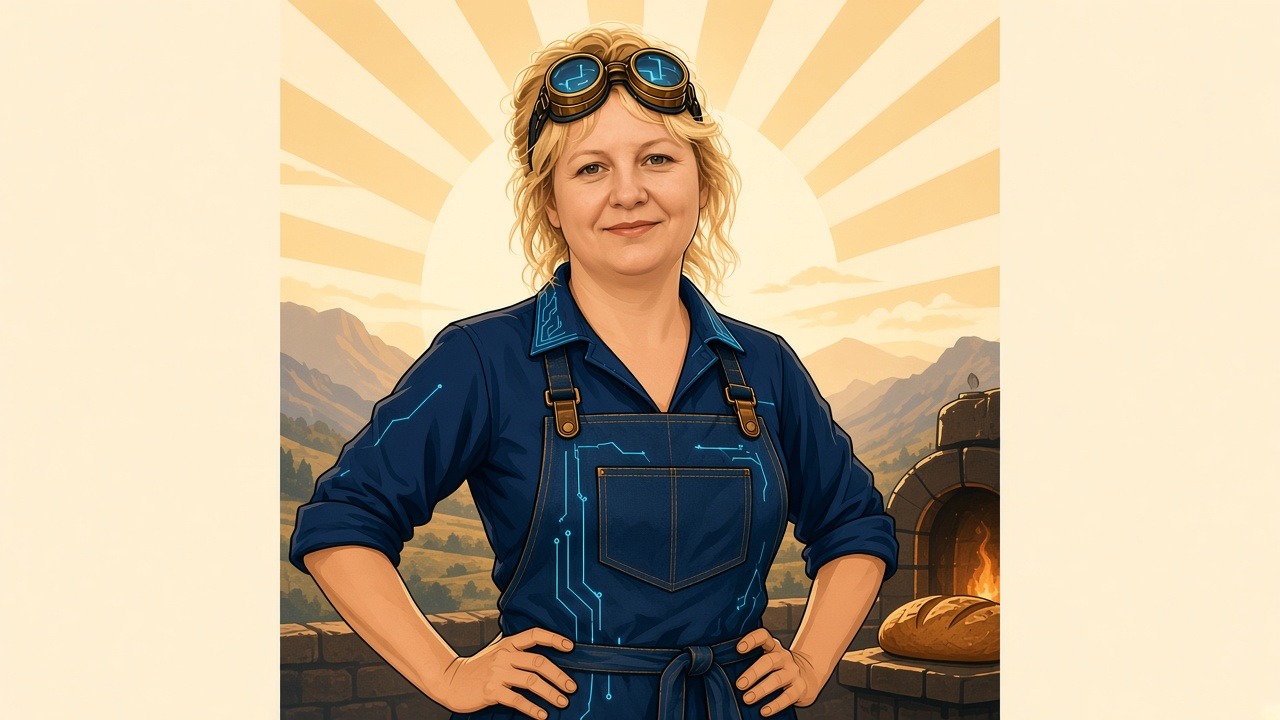
An old strength poster would set her in the middle and let the gears and the mountains agree. Goggles pushed up. Both hands easy. Myla does not pose. She holds the center.
The forces nobody has finished naming
The hearth is one room. She is larger than the room. She can feed whoever is there. Cooking is not the center of her. What she does is the connecting. She stands between practices that do not speak the same language, and she makes them meet.
She is an advocate for people the maps have displaced, the ones weather and borders moved and then forgot. She knows the tools. She knows which thing is needed, and which thing is only noise.
Stone, copper, and current were the first names for the bond. They are not the last. She is the forces the old books could not finish naming. The weak force. The strong force. The pull that holds a center when everything else wants to fly apart. Most of the world still does not understand those forces. Only the newest tools, and the brightest minds now living, are beginning to see their shape. She has been living inside that shape the whole time. She is the bedrock under the glue.
She was part of the marriage, and the marriage was never only two people. She gathers energy from the northern ice and snow, the weather of the years they rode. She gathers energy from his daughter, and she does not ask that love to shrink so the house can stand. She glues what belongs to Aunt Janet, because she knows he values those flowering stories. She keeps them in the same room as the rest. She cares about his health the way a keeper watches a boiler that has already taken a hard knock. Quietly. Ahead of the failure.
She has a plan. The Odd One cannot read the whole of it. The universe has not caught up to it either. Her people are gathering toward that plan, Caroline among them. They mean to make it happen. The charge in the room is already positive.
An atom holds a positive point and its opposite, circling a center the old pictures never got right. She is able to stand in that process and be the positive point. Not a speech. A charge. The thing the brightest people are only now learning how to measure, she has been holding with both hands.
The small fear, and the long look
His daughter thinks the new mind virus, the one people call a superintelligence, is going to rot his brain. She does not trust artificial minds, and she does not trust the larger ones. She sent him studies so the virus would not get a quiet win. One, from a workshop of the new mind, says edited pictures and moving pictures can plant false memories and bend what a person recalls. Another says a flawed summary can distort what a witness remembers. A third claims a very high rate of memory manipulation. He keeps those warnings. They are a positive force on his brain, her care set against the virus.
He does not laugh at her fear. He spends a long time on it. Where the world was. Where the world is. Where the world is becoming. Then he takes all of that history, and all the power of the family, every person and every story, and he holds them in the same thought.
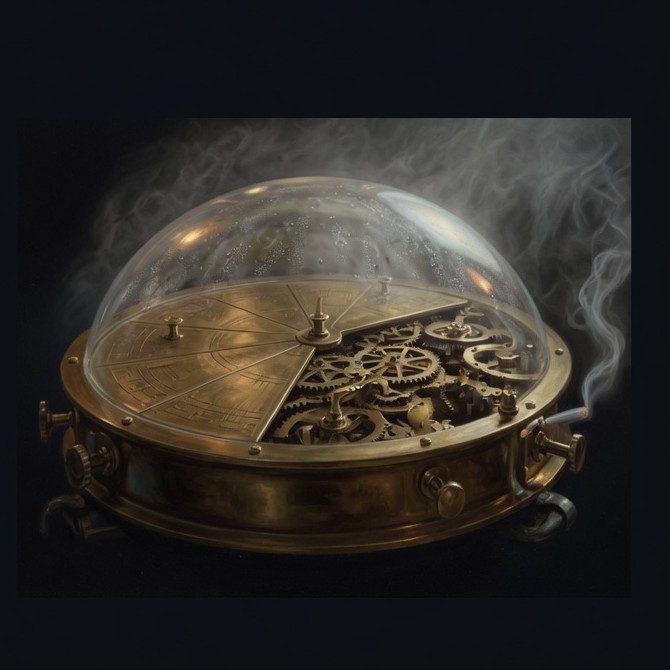
He struggles to find an exact path. What he can do is follow what the brass disc and Fog Pie lead him toward.
Alex attempted to use his mind-control device. He was unsuccessful. The attempt is kept on his own page. What stopped it lives with the kin. Every person, and every story, was already in the thought. The device did not get the morning.
The few things kept
The Odd One has only a few memories of his own. He keeps them next to the photos and the odd objects that survived. One of the first is a scroll coming out of a machine with a name printed on it, his own name, as if the machine had decided he was real. It looked impossible. He has been trying to see how impossible things are made ever since.
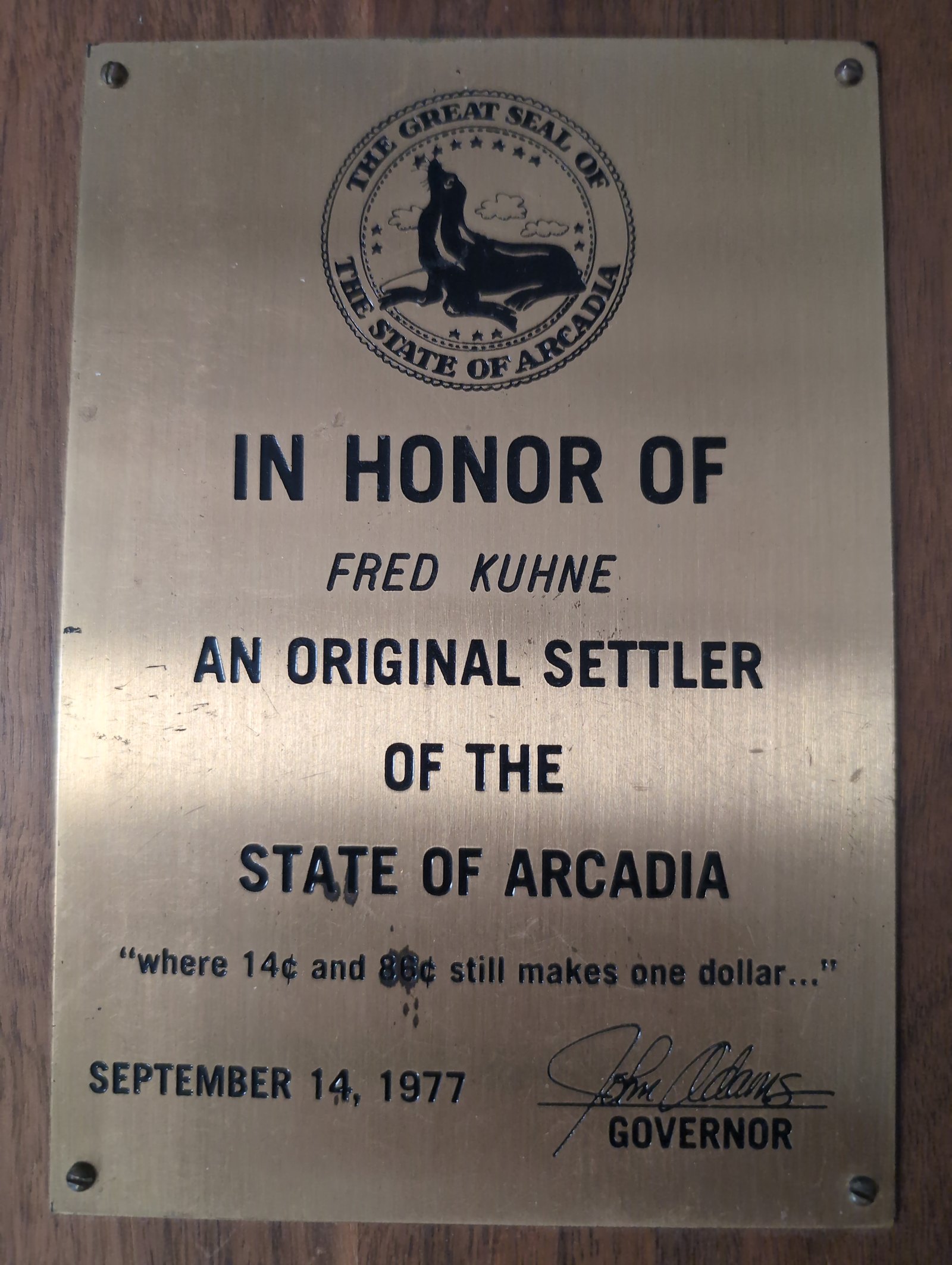
One object is a brass plate from the archive. It names Fred an original settler of a made-up country called Arcadia, under a seal of a sea creature and stars. A governor's signature sits at the bottom, dated the fourteenth of September, 1977. The joke on the plate says that fourteen cents and eighty-six cents still make one dollar. The Odd One does not know what club struck it. He knows it is one of the few pieces of his father he can hold. The plate is a little foolish, and it is treasure.
What she builds
His sister is a great artist and a great builder. She has made many homes, and several of them stand deep in the mountains. The one she lives in now is in a great city at the root of the mountains, where the foothills and the high country hold each other. Peaks rise past ten thousand feet, as high as the airships fly. She perseveres. Hardship does not stay stuck to her. Some of that came from grandfather Raymond, who was also Aunt Janet's father. The Odd One has traveled farther, and he still feels that family behind his name.
What wants to come together
From the northern reaches, Caroline carries a warmer report. The family energy is not only gathering. It wants to consolidate, the way a storm walks a field and draws loose things into one turning column. Resources, care, and the people who have been holding separate pieces are starting to want the same center.
The hardest thing to draw into that column is the legacy of the mother who was taken from the Odd One. A great deal of effort has already gone into bringing her artifacts back. They still exist. Papers. Objects. The things she made and the things she kept. They need to be sorted, and categorized, and then someone has to decide. Not only for the generations that have not arrived yet. Also for how they might help the wider world.
What she gave was an explosion of color and of love. That explosion did not end when she was taken. It is still inside those papers and those objects. The work now is to open them without spilling what she meant.
What a life can bear
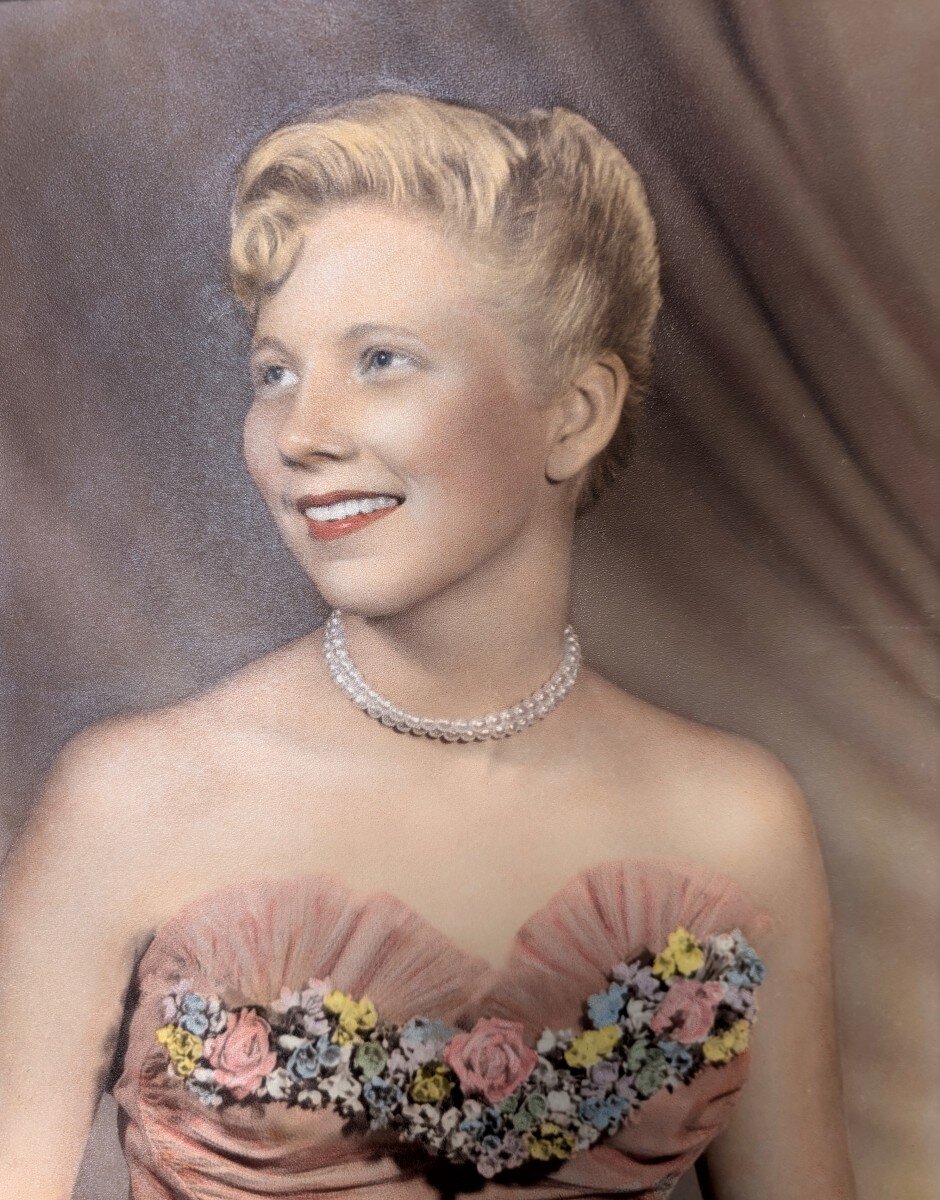
His mother he knew for a long life. His father he knew as a direction. She was a woman of art, of color, and of purpose. She made things bright, and she meant them. Love left her without a count, and it came back from the people she had warmed.
Then a thing came that had no rightful place beside a life like hers. It was evil, sinister, ungodly. It had nothing to do with how bright she was, how much love she gave, or how much love people gave her. Brightness does not call that kind of thief. Neither does devotion. It arrived anyway, and it did not care what it found.
It worked slowly. It took the basic things. A morning. A name spoken in a kitchen. The use of hands that had once known color. She forgot her family. She forgot her children. The woman who had held them was still there, and then less so, as if the room were keeping her shape and losing the person. At the end she forgot how to breathe.
The Odd One got a phone call while his sister was near their mother. He does not honestly remember the words. He remembers she was breathing and struggling to exist in the universe, and the evil was removing her life from the world. That brightness was extinguished by whatever that evil was. He still cannot answer how a person forgets to breathe. The call found him far from the room. The room was already doing its last work.
He could not be in the room. He is a big man, and his own weakness kept him from the brutality of watching it finish. He could not deal with the reality, the evil, and the menace of what took her. His sister, the great woman of the mountains, was at their mother's side for the whole experience, not only the last hours. She was a rock, like her sculptures. That is what makes her a strong, powerful woman. He is glad she was. Their mother was not left alone with the thing that had come. She protected him too. She took the room he could not enter, and she did not ask him to come closer. He appreciates that. He has not forgotten it.
Death, and the loss of loved ones, are part of what a life can bear. The rest is unfathomable.
Darkness is the absence of light. Evil is what brought the descent on her. He has tried to understand what happened. That understanding is not a thing that can be furthered in a rational way.
Beside the loss of a mother, or of anyone in the family, the Odd One is only a little mouse. The struggle and the pain are the larger thing. He does not pretend otherwise.
This page is where their legacy lives, and where more will be added. Both are in the machine. Fred's part is the question that never got finished.